

Updated: 6 days ago
A Western Pennsylvania freeze can turn an uninsulated steel wall into a condensation surface overnight. In summer, direct sun pushes heat through the roof just as quickly. Effective shipping container insulation must manage both heat flow and the humid indoor air that reaches cold steel.
Shipping container insulation slows heat flow, but the assembly also has to keep humid indoor air away from cold steel. Spray foam, rigid panels, and framed batts solve that problem differently. The right choice depends on the container's use, openings, utilities, ventilation, and interior finish.
Local weather patterns play a huge role in how you should approach this task. You must account for the heavy snow, deep freezes, and damp air found in our region. This is exactly why Western Pennsylvania weather changes the insulation plan for any storage project. Start by matching the insulation assembly to the container's use, site, openings, and ventilation plan.
Why Western Pennsylvania weather changes the insulation plan
Weather in the Pittsburgh area can be hard on a steel box because we see hot summers and cold winters. This local weather means you need a smart plan for your shipping container insulation to keep the unit safe. A container is made of thick steel, and steel moves heat very fast compared to other building parts.
Without the right layers, your container will feel like an oven in July and a freezer in January. You must plan for these big shifts before you start your build to stay at ease all year.
The impact of seasonal shifts
In our region, the air changes a lot between seasons as one day it is freezing and the next it rains. These shifts put stress on the steel walls because moisture can form when the air outside is cold but the air inside is warm. This moisture can lead to rust or mold if you do not stop it with a good seal.
Good insulation in any structure helps stop heat flow and keeps the air inside at a steady level all year. This is vital for any project in Westmoreland or Washington County where the seasons are harsh.
Managing heat and moisture
Shipping containers are made of 14-gauge corten steel which is very strong but not good at keeping heat in your space. Metal is a great conductor, and this means heat moves through the walls with ease during the peak of summer or winter.
In the summer, the sun hits the roof and the heat pours inside until the space becomes too hot to use. In the winter, the cold metal pulls the warmth right out of the room which makes your heating bill go up fast. You need a barrier to break this cycle and shield your living space from the steel.
Moisture on the walls is another big risk because when warm air hits cold steel, water drops form on the metal. This is just like a cold soda can on a hot day, and in a container, this water can hide. Over time, it can damage the steel or the wood floors if you do not have a tight seal to stop it.
Many people use a long barrier to keep the air away from the metal which stops the moisture before it starts. It also helps with shipping container insulation options for any budget or project type.
Planning for your own use
Before you pick your stuff, think about the container's job and whether it will hold people or just dry goods. A unit for garden tools might only need a thin layer, but a workshop or a home needs much more.
You must decide if you want to lose some space inside to add thick walls or if you want thin layers. Your choice will change how you build the rest of the unit and how much you pay for heat. We see many uses for containers in the Pittsburgh area from stock rooms to art studios.
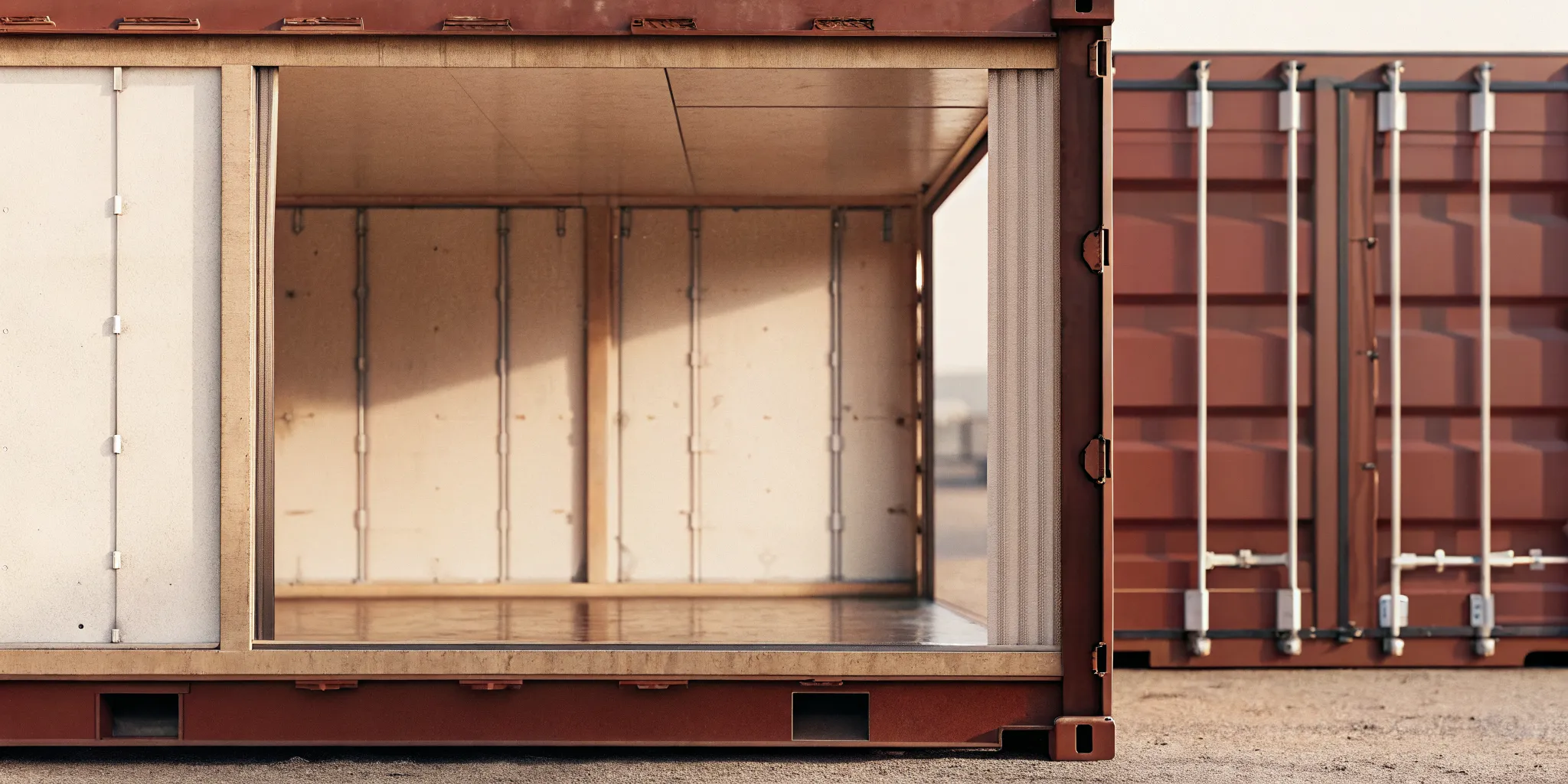
An insulation plan should account for the steel shell, sealed seams, interior framing, and intended use.
Comparing common shipping container insulation approaches
Spray foam prioritizes air sealing against corrugated steel, rigid panels balance space efficiency with careful seam sealing. And framed batts suit familiar interior construction when moisture details are handled correctly. The best approach depends on occupancy, utilities, interior finish, and how often the container will be conditioned.
Picking the right shipping container insulation is the key step for your build. Steel walls move heat fast and can trap water inside. Proper insulation blocks heat flow and lowers your bills. Without it, your Pittsburgh storage unit or office will feel like an oven in summer and a freezer in winter. You must stop damp air to prevent rust and mold on your steel walls. A high R-value is key because it shows how well the item stops heat.
Spray foam for airtight seals
Closed-cell spray foam is a top choice for many local projects. It sticks right to the steel and leaves no gaps for air to hide. This stops water from forming on the metal when heat levels shift. Spray foam takes up little space, which helps in small 20 foot units. It acts as both a block for heat and a shield against water in one step. This method is great for odd shapes and tight corners in a used unit.
Pittsburgh weather can be harsh, with humid summers and snowy winters. The foam seals the steel so the outside air cannot touch the cold metal. This prevents the sweating that ruins tools or drywall. You can spray it on the walls, ceiling, and even the floor. While it costs more up front, the energy savings are worth the price. It creates a seamless coat that keeps your gear safe and dry for years. You may need a pro to install it well.
Rigid panels for easy installation
Rigid foam panels are a great pick for DIY fans. These panels are often made of foam boards or polyiso. You can cut them with a simple knife to fit the ribs of the wall. Some kits use studs that stick to the metal without screws. This keeps the outer shell intact and stops leaks from rain. Rigid panels give you a flat surface that is easy to cover with wood. It is a fast way to update your shipping container insulation options.
These panels offer a steady level of heat block. Thin panels can provide good R-values for their size. This helps keep your insulation for office containers simple and neat. But you must seal the seams between panels with foil tape. If you leave gaps, air will reach the cold steel and cause drips. This method is cleaner than spray foam and easy to do on your own time. It is a solid middle ground for cost and ease of use.
Framed batt for traditional builds
Framed batt insulation uses wood or steel studs with soft rolls of glass wool. This is how most homes are built, so it feels known to many. You build a frame inside the container and tuck the rolls into the slots. This method is often the lowest cost for the parts alone. It also makes it easy to run wires or pipes through the walls before you close them up. You can find these items at any local hardware store in Pittsburgh.
But this approach takes up the most inside room. The thick studs and rolls can eat up four inches or more on every side. You also must use a plastic vapor barrier to keep damp air away from the steel. If the glass wool gets wet, it loses its power to hold heat and can grow mold. This setup works best for large units where you have room to spare. It gives a strong wall for hanging heavy shelves or tools for your shop.
Insulation Type | Moisture Control | Space Loss | Install Type |
Spray Foam | Excellent | Low | Professional |
Rigid Panels | Good | Medium | DIY Friendly |
Framed Batt | Fair | High | Traditional |
How do you control condensation in an insulated container?
Control condensation by limiting humid indoor air from reaching cold steel, sealing penetrations and panel seams, and providing ventilation suited to the space's use. Insulation, air sealing, and ventilation must work as one assembly.
Shipping containers are made of thick steel. This metal gets very cold in the winter and very hot in the summer. When warm, wet air hits a cold steel wall, it turns into water. This is called condensation.
In places like Pittsburgh, the weather changes a lot. These big shifts make it very hard to keep the inside of your unit dry.
Why steel boxes sweat
Steel is a great way to build a strong box, but it moves heat fast. In our part of the state, we see big swings in the air. If you do not use custom shipping container changes to fix this, your stuff could get wet.
Damp air inside the box finds a cold spot and clings to it. This can lead to rust or mold over time. You need to stop this water from forming to keep your space safe.
The goal of shipping container insulation is to block this heat flow. Good insulation lowers the cost to heat or cool your unit. It also keeps the metal shell from getting cold enough to cause sweat.
When the steel stays warm, the air will not drop its water on the walls. This is the first step in a dry plan.
Stop air from touching steel
Air sealing is just as vital as the insulation itself. You want to create a full wall that stops air from ever reaching the metal. If air can sneak behind your foam, it will still turn to water.
Spray foam sticks right to the steel and leaves no room for air to hide. It acts as both a way to keep heat in and a shield against damp air.
You must also plan for any holes you cut into the box. Doors, windows, and lights are all spots where air can leak. Use good seals around these spots to keep the wet air out.
A tight box is much easier to manage than one with leaks. If you are building a functional office container, you must check every seam. Small gaps can cause big problems when the snow starts to fall.
Keep air moving with vents
Good air flow helps carry dampness out before it can turn into liquid. Even with great insulation, some wet air will get inside.
You can use vents near the top and bottom of the walls to create a natural flow. This keeps the air fresh and dry. In some cases, a small fan can help move more air on wet days.
Place vents on other sides for better air flow.
Use screens to keep bugs and dirt out of your box.
Check vents often to make sure they are not blocked.
Think about a dryer for very wet times of year.
Lastly, think about drainage. If water does form, it needs a way to get out. Most boxes have small drain holes in the floor frame.
Keep these clear so water does not pool. A dry floor is key to a unit that lasts a long time. By using a mix of insulation, sealing, and vents, you can keep your container dry and safe all year long.
Why offices, studios, workshops, and homes need different assemblies
The way you use a container sets the type of shipping container insulation you need. A storage unit for garden tools does not need the same climate control as a full-time home. Each project has its own goals for heat flow, sound control, and usable space. Choosing the right build helps you manage energy costs and stay comfortable all year in the Pittsburgh area.
Matching insulation to space use
Offices and homes have high use rates. This means people spend many hours inside them. These spaces need a strong wall to stop heat flow and keep cooling costs low. Based on the U.S. Department of Energy, insulation gives this power and helps lower energy bills. For a home, you may need thick spray foam to meet local building codes and stop air leaks. An office might use rigid foam panels to save space while still giving a professional feel.
Workshops and storage units often have different needs. If you only use a workshop for a few hours a week, you might choose a thinner layer. This way keeps the project cheap but still protects your tools from moisture. In these cases, 3/8-inch wood over fiberglass is a common choice for a clean, tough look. Choosing the right materials ensures your gear stays safe from rust and damage throughout the year.
Managing sound and climate
Studios and home units need a focus on noise control. Shipping containers are made of steel. This metal can echo and carry sound easily. If you are building a music studio or a quiet backyard office, you'll need shipping container insulation for sound reduction. Dense materials like wool or closed-cell spray foam help stop shaking and block outside noise. This ensures your workspace stays quiet even if the container is near a busy street or a noisy job site.
Climate control also means managing moisture and damp air. In Western Pennsylvania, weather swings can cause wet spots to build up on the inner steel walls. Good insulation acts as a barrier to stop this water from reaching your wall studs and finish. Some high-end projects even use phase change materials to store heat and reduce demand on HVAC systems. These advanced materials help keep the temperature steady without using as much power from the grid.
Choosing the right wall finish
The finish you choose for your walls affects how much room you have inside. Standard containers are only about eight feet wide. Because of this, every inch of insulation for office containers matters. If you use thick stud walls with fiberglass, you might lose six inches of width. For a home or office where you need to fit desks and furniture, thin rigid foam panels might be better. These panels offer good heat power without making the room feel small.
Utilities like power and pipes also play a role in your choice. In a workshop, you might want pipes on the wall for easy access. In a home or studio, you likely want wires and pipes hidden behind the walls. This needs a build that leaves space for trade work. We always suggest a meeting for custom projects to ensure your plan matches your needs. Our team can help you pick the best materials for your exact site and budget.
How to plan shipping container insulation before construction
Planning for your shipping container insulation before you start building helps you avoid costly errors. You need to know how you will use the space and what the local weather is like. Since containers are made of steel, they transfer heat quickly and can trap moisture inside. A clear plan ensures you pick the right materials to keep the space dry and comfortable all year long.
Define the container use
The first step in your plan is to decide what the container will become. A storage unit for dry goods needs less thermal protection than a backyard office or a tiny home. If people will spend time inside, you will need a higher R-value to control the climate. Insulation in any structure helps lower your heating and cooling costs by resisting heat flow. For a workspace, you should also consider shipping container insulation for sound reduction to keep the area quiet.
Assess the site and shell
Check the state of the container shell before you buy any materials. Most units use 14-gauge steel that is tough but thin. Look for rust or dents that might lead to leaks later on. Your site spot also matters for moisture control. In places with high humidity, like the Pittsburgh area, you must plan for how water vapor moves through the walls. Proper planning for shipping container insulation options should include a way to stop dew on the metal surfaces.
Map openings and utilities
You must map out where your doors, windows, and vents will go before you put in the insulation. Cutting through the steel and insulation after the build is done is much harder and can create gaps. These gaps allow heat to escape and moisture to get in. Decide where your wires and pipes will run so you can frame the walls around them. Having a full layout helps you coordinate the HVAC system with your chosen insulation thickness.
- Set the goal:
Decide if the space is for simple storage, a workshop, or a living area.
- Pick the system:
Compare spray foam, rigid panels, or fiberglass based on your budget and R-value needs.
- Check the shell:
Inspect the steel for damage and seal any holes to create a tight envelope.
- Plan the layout:
Mark the spots for windows and doors so you can insulate around them properly.
- Place the utilities:
Run your wires and pipes before the insulation goes in to save time.
- Talk to experts:
Ask a pro to review your plan to ensure it meets local safety needs and keeps you dry.
When should you consult a container conversion specialist?
You may feel ready to start your project alone. Simple storage needs often work well for a DIY approach. But you should call a pro for complex builds. A specialist knows how to pick the right insulation for your own goals.
Planning for living and working spaces
Making a home or office needs more than just a steel box. You must think about how air moves and how heat stays inside. A pro helps you choose the best insulation for office containers to stay cozy. This helps you meet safety rules and local laws.
Experts know that insulation blocks the flow of heat. This helps lower your power costs over time. You can learn more about how insulation works from the Department of Energy.
A pro will find the exact R-value your unit needs for the local climate. Cutting holes for doors and windows can weaken the unit. It is best to talk to a pro before you start.
Planning before you cut the steel
They can plan the layout to keep the box strong. They also know where to place vents to stop moisture from building up. Steel shells trap water easily because heat moves through them fast.
A specialist makes sure the seal is tight to prevent rust or mold. This expert advice saves you time and money on future repairs. It keeps your unit safe for a long time.
Using local weather and rules
Local pros know the weather in your area. In places like Pittsburgh, the cold winters and hot summers are hard on steel. A local specialist will suggest tools that handle these shifts.
They also help with local permits and zoning rules for your site. When you meet with a pro, ask about their shipping container insulation options. Find out if they use spray foam or rigid panels.
Ask how they plan to seal the unit against wind and rain. You should also check if they can handle the delivery to your site in the Pittsburgh metro area.
A good provider will explain why design choices must happen early. They should tell you how they plan to install power and water. This ensures that nothing blocks the insulation layers.
At Mann's Cans, we help you find the right fit for your needs. We offer custom units and advice to guide your project. Talk to our team today to pick a container that lasts for years.
Frequently Asked Questions
What is the best insulation for a shipping container?
Most experts agree that closed-cell spray foam is the best choice for shipping containers. It creates a tight air seal that stops moisture from touching the steel walls. This helps prevent rust and mold growth over time. This method works well for the humid summers and cold winters in the Pittsburgh area. As shown by the U.S. Department of Energy, insulation blocks heat flow and lowers your heating and cooling costs.
Is it worth insulating a shipping container?
Yes, insulation is a vital upgrade for any container used in Western Pennsylvania. The thin steel walls of a unit do not block heat well on their own. Without a thermal shield, the inside will get very hot in July and freeze in January. Adding insulation protects your items from damage and stops water drops from forming on the ceiling. It keeps your workspace or storage unit dry and cozy for many years.
How to cheaply insulate a shipping container?
Rigid foam panels are a great low-cost way to add heat protection to your unit. These panels are easy to find and simple to put between wood or steel studs. While they do not seal air as well as spray foam, they still provide a strong shield against heat loss. Rigid panels can preserve interior space, but seams, edges, and penetrations must be sealed carefully so humid air cannot reach the steel behind them.
What are the costs for shipping container insulation?
The price to insulate a unit depends on the size of the box and the type of foam used. Material choice, container size, wall and ceiling coverage, openings, utilities, labor, and finish level all affect project cost. Spray foam and complex occupied-space assemblies generally require more specialized planning than a basic dry-storage application. Investing in good insulation now can save you money later by protecting your goods. It also reduces the energy you need to keep the space warm or cool.
Ready to insulate your shipping container?
If you put off your insulation project, you risk letting damp air cause rust and mold growth inside your unit. Taking action now means your container will be ready before the harsh Western Pennsylvania winter or summer heat arrives. You will gain a dry and stable space for your business or home that protects your property from local humidity while you save on energy costs.
Ready to discuss a custom container project? Call (724) 972-1212 to talk to a local expert about your container project needs today. You can also review our past custom container projects before starting your plan.


Comments